Asma ul Husna‚ the 99 Names of Allah‚ reveal divine attributes detailed in the Quran and Hadith; readily available as a PDF for study.
These names‚ with their profound meanings‚ offer a pathway to understanding Allah’s majesty‚ mercy‚ and wisdom‚ fostering spiritual connection.
Numerous resources‚ including free downloads‚ provide transliterations and explanations‚ aiding memorization and reflection on these sacred names.
Significance in Islam
Asma ul Husna holds immense significance in Islam‚ representing the perfection and uniqueness of Allah (SWT). The 99 Names aren’t merely a list‚ but a profound reflection of His attributes‚ as revealed in the Holy Quran and Hadith.
Memorizing and understanding these names is considered a virtuous act‚ with the Prophet Muhammad (pbuh) stating that enumerating them can lead to Paradise. PDF resources detailing the names and their meanings facilitate this practice.
These names inspire believers to cultivate a deeper connection with Allah‚ fostering reverence‚ love‚ and a comprehensive understanding of His divine qualities. They are integral to dua (supplication) and spiritual contemplation.
Historical Origins and Compilation
The origins of identifying Allah’s 99 Names are rooted in the Quran and the Sunnah (teachings and practices of Prophet Muhammad‚ pbuh). While not explicitly listed as a set of 99 in a single verse‚ the attributes are scattered throughout Islamic scripture.
Early scholars compiled lists based on interpretations of these verses and Hadith. Over time‚ a consensus emerged on the specific 99 Names‚ with various compilations appearing throughout Islamic history.
Today‚ numerous PDF documents and resources offer these names with transliterations and meanings‚ representing centuries of scholarly work dedicated to understanding and preserving this vital aspect of Islamic faith.

Understanding Asma ul Husna
Asma ul Husna reveals Allah’s perfect attributes‚ accessible through study of the 99 Names and their meanings‚ often found in PDF format.
The Concept of Divine Attributes
Asma ul Husna embodies the concept that Allah possesses perfect and unique attributes‚ beyond human comprehension‚ yet revealed through His 99 Names. These aren’t merely labels‚ but reflections of His essence‚ majesty‚ and actions.
Each name signifies a specific attribute – from Al-Rahman (The Most Gracious) to Al-Quddus (The Most Holy) – showcasing the breadth of divine perfection. Understanding these attributes‚ often detailed in accessible PDF resources‚ allows believers to deepen their connection with Allah.
Studying the meanings behind each name isn’t simply an intellectual exercise; it’s a spiritual journey towards recognizing and appreciating the divine qualities inherent in creation and beyond. These attributes are not separate from Allah‚ but are integral to His being.
Connection to the Quran and Hadith
The foundation of Asma ul Husna lies firmly within the Quran and Hadith. The Quran frequently alludes to Allah’s attributes‚ while the Hadith‚ particularly the narration in Sahih Muslim‚ explicitly states there are 99 Names of Allah.
Numerous verses emphasize qualities like mercy (Al-Rahman‚ Al-Rahim) and sovereignty (Al-Malik)‚ directly correlating to the 99 Names. Many PDF resources compiling these names provide Quranic verses and Hadith references for each attribute.
Prophet Muhammad (pbuh) encouraged the memorization and contemplation of these names‚ promising Paradise to those who do so. This connection underscores the importance of studying the meanings within the Islamic tradition.
Exploring the Names and Their Meanings
Asma ul Husna reveals Allah’s attributes‚ like Al-Rahman (Most Gracious) and As-Salam (Source of Peace)‚ detailed in PDF guides.
Understanding these meanings deepens faith and connection.
Al-Rahman (The Most Gracious)
Al-Rahman‚ meaning “The Most Gracious‚” embodies Allah’s all-encompassing benevolence and kindness towards all creation‚ a core attribute detailed in numerous PDF resources on the 99 Names.
This name signifies a boundless mercy that extends to everyone‚ believers and non-believers alike‚ representing a fundamental aspect of the Divine nature.
Reflecting on Al-Rahman encourages gratitude and fosters compassion within ourselves. The PDF guides often highlight this name’s connection to Allah’s provision and blessings.
It reminds us of His constant care and generosity‚ inspiring us to emulate these qualities in our interactions with others. Understanding this name deepens our appreciation for Allah’s infinite grace.
Memorizing and contemplating Al-Rahman cultivates a heart filled with thankfulness and a desire to spread kindness.
Al-Rahim (The Most Merciful)
Al-Rahim‚ “The Most Merciful‚” signifies Allah’s specific mercy shown to those who believe and strive for righteousness‚ as explained in PDF guides detailing the 99 Names.
Unlike Al-Rahman‚ which encompasses all creation‚ Al-Rahim focuses on mercy directed towards the faithful‚ offering guidance and forgiveness.
These PDF resources emphasize that reflecting on Al-Rahim inspires hope and encourages sincere repentance‚ knowing Allah is ever-ready to forgive.
It’s a reminder of His compassion and willingness to accept those who turn to Him with humility; Contemplating this name strengthens our faith and devotion.
Understanding Al-Rahim motivates us to seek His mercy and to extend mercy to others‚ embodying a core Islamic virtue.
Al-Malik (The Sovereign Lord)
Al-Malik‚ meaning “The Sovereign Lord‚” denotes Allah’s absolute ownership and dominion over all creation‚ a concept thoroughly explained in PDF resources on the 99 Names.
This name emphasizes that nothing exists outside of His control; He is the ultimate authority‚ the King of Kings‚ possessing unparalleled power and majesty.
PDF guides highlight that recognizing Al-Malik fosters humility and submission‚ reminding believers of their dependence on Allah’s will and guidance.
It’s a call to relinquish control and trust in the divine plan‚ accepting both ease and hardship as decreed by the ultimate Sovereign.
Reflecting on Al-Malik strengthens faith and encourages righteous conduct‚ acknowledging Allah’s supreme authority in all aspects of life.
Al-Quddus (The Most Holy)
Al-Quddus‚ translating to “The Most Holy‚” signifies Allah’s absolute purity and freedom from any imperfection or deficiency‚ detailed in accessible PDF guides on Asma ul Husna.
This name underscores His transcendence above all creation‚ untouched by the flaws inherent in the material world; a concept central to Islamic theology.
PDF resources explain that contemplating Al-Quddus inspires believers to strive for spiritual purification and moral excellence‚ mirroring divine attributes.
It’s a reminder to distance oneself from sin and negativity‚ seeking closeness to Allah through righteous deeds and sincere repentance.
Recognizing Al-Quddus fosters reverence and awe‚ reinforcing the sacredness of Allah and the importance of upholding His commands.
As-Salam (The Source of Peace)

As-Salam‚ meaning “The Source of Peace‚” embodies Allah’s perfection and freedom from all flaws‚ a concept beautifully elaborated in PDF resources detailing the 99 Names.
This name signifies not merely the absence of conflict‚ but a comprehensive state of well-being‚ security‚ and harmony emanating from the Divine.
PDF guides highlight that Allah grants peace to those who submit to His will‚ finding tranquility in remembrance and reliance upon Him.
Contemplating As-Salam encourages believers to cultivate inner peace and promote harmony in their interactions with others.
It’s a reminder of Allah’s ultimate power to deliver from harm and establish lasting peace‚ both in this life and the hereafter.

Benefits of Memorizing and Reflecting on the Names
Asma ul Husna memorization‚ aided by PDF guides‚ fosters spiritual growth‚ closeness to Allah‚ and unlocks divine assistance and protection for believers.
Spiritual Growth and Closeness to Allah
Reflecting upon the 99 Names of Allah (Asma ul Husna)‚ often facilitated through accessible PDF resources‚ profoundly impacts spiritual development. Understanding the attributes revealed in these names cultivates a deeper connection with the Divine.
Each name unveils a facet of Allah’s perfection‚ fostering increased awareness and appreciation of His boundless mercy‚ wisdom‚ and power. Consistent contemplation‚ aided by studying the meanings‚ purifies the heart and strengthens faith.
This practice moves believers closer to Allah‚ inspiring humility‚ gratitude‚ and a desire to embody these divine qualities in their daily lives. The PDF format allows for convenient and repeated study‚ solidifying understanding and fostering lasting spiritual growth.
Seeking Divine Assistance and Protection
Utilizing the 99 Names of Allah (Asma ul Husna)‚ readily available in PDF format‚ is a powerful means of seeking divine aid and safeguarding oneself. Each name embodies a specific attribute‚ offering a unique avenue for supplication (Dua).
Knowing the meanings behind names like Al-Hafiz (The Protector) or Al-Mu’izz (The Giver of Honor) allows for focused and heartfelt requests aligned with those attributes. Reciting these names with understanding invokes Allah’s protection and assistance in various life challenges.
Prophet Muhammad (pbuh) emphasized the benefits of enumerating these names‚ promising Paradise. Consistent remembrance‚ facilitated by accessible PDF guides‚ strengthens faith and invites divine blessings.

Resources for Learning and Download
Numerous platforms offer the 99 Names of Allah as a PDF‚ alongside online learning tools and mobile apps for easy access and study.
Printable resources cater to children‚ fostering early engagement with these sacred names and their beautiful meanings.
Availability of 99 Names of Allah PDF
Numerous websites provide downloadable PDFs detailing the 99 Names of Allah (Asma ul Husna). These resources often include the Arabic name‚ transliteration‚ and a comprehensive English meaning‚ facilitating understanding and memorization.
Many PDFs are designed for ease of use‚ presenting the names in a clear‚ organized format. Some offer additional features like explanations of each attribute’s significance and related Quranic verses or Hadith.
Free PDFs are readily accessible‚ catering to diverse learning preferences. Child-friendly versions with simplified explanations and visually appealing designs are also available. Websites like archive.org and various Islamic resource sites host these valuable documents‚ ensuring widespread access to this important aspect of Islamic knowledge.
Online Platforms and Mobile Applications
Several online platforms and mobile applications offer interactive experiences for learning the 99 Names of Allah (Asma ul Husna). These digital resources often include audio recitations‚ allowing users to correctly pronounce each name and understand its Tajweed.
Many apps provide detailed meanings‚ benefits‚ and explanations of each attribute‚ enhancing comprehension. Features like quizzes and progress tracking aid memorization. Some platforms also offer downloadable PDF versions of the names for offline access.
These applications are readily available on both Android and iOS devices‚ making learning convenient and accessible. They often incorporate beautiful calligraphy and user-friendly interfaces‚ fostering a deeper connection with these divine names.
Printable Resources for Children
Numerous printable resources are specifically designed to introduce children to the 99 Names of Allah (Asma ul Husna) in an engaging way. These often include colorful charts‚ flashcards‚ and worksheets featuring simplified explanations and illustrations.
Many websites offer free PDF downloads of these materials‚ making them easily accessible for parents and educators. These resources typically present each name with its basic meaning and a child-friendly depiction.
Activities like matching games and coloring pages further reinforce learning. Printable booklets allow children to create their own personalized books of Allah’s names‚ fostering a lifelong connection with these sacred attributes.

Practical Applications in Daily Life
Reflecting on the 99 Names‚ understood through resources like a PDF‚ enriches dua (supplication) and meditation‚ fostering a deeper connection with Allah.
Using the Names in Dua (Supplication)
Utilizing the 99 Names of Allah‚ accessible through resources like a comprehensive PDF‚ profoundly enhances the power and sincerity of dua (supplication). Knowing the meanings behind names like Al-Rahman (The Most Gracious) or Al-Quddus (The Most Holy) allows for more focused and heartfelt requests.
Instead of generic pleas‚ one can invoke Allah by His specific attributes relevant to the need. For instance‚ calling upon Al-Shafi (The Curer) when seeking healing‚ or Al-Razzaq (The Provider) when requesting sustenance. This demonstrates a deeper understanding of Allah’s qualities and strengthens the supplicant’s connection.
Memorizing and incorporating these names into daily dua is a powerful practice‚ aligning one’s intentions with divine attributes and fostering a more intimate relationship with the Creator.
Reflecting on the Names During Meditation
Deepening one’s spiritual connection through meditation on the 99 Names of Allah‚ conveniently found in a readily available PDF‚ is a powerful practice. Contemplating the meanings of names like As-Salam (The Source of Peace) or Al-Alim (The All-Knowing) fosters inner tranquility and understanding.
This isn’t merely recitation; it’s a mindful exploration of each attribute‚ visualizing its manifestation in the world and within oneself. Reflecting on Al-Hakim (The Wise) encourages seeking wisdom in all actions‚ while pondering Al-Ghaffar (The Forgiving) cultivates humility and repentance.
Regular meditation on Asma ul Husna cultivates a profound awareness of Allah’s presence and strengthens faith.

Cultural Significance and Artistic Representations
Asma ul Husna inspire stunning calligraphy and Islamic art‚ reflecting divine beauty; PDF resources aid understanding these artistic expressions and their spiritual meanings.
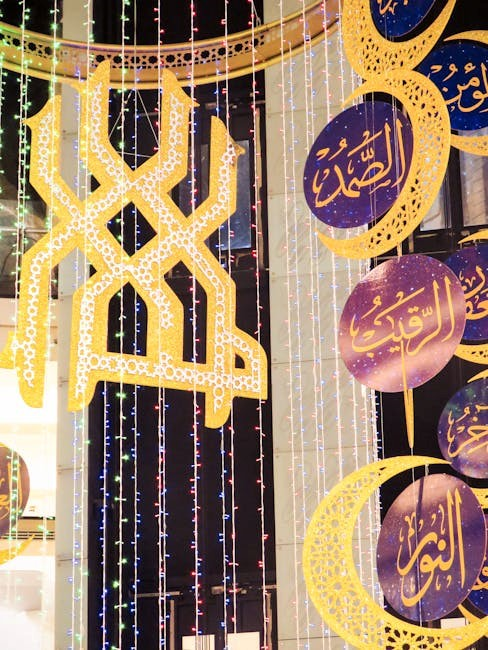
Calligraphy and Islamic Art
Islamic art profoundly reveres the 99 Names of Allah‚ manifesting this devotion through exquisite calligraphy. Skilled artisans meticulously render these names‚ transforming them into breathtaking visual representations of the divine.
These calligraphic works aren’t merely decorative; they serve as potent reminders of Allah’s attributes and a means of spiritual contemplation. The flowing scripts‚ often employing Arabic calligraphy styles like Kufic or Naskh‚ embody grace and reverence.
PDF resources detailing the meanings of each name enhance appreciation for the artistic intent. The names frequently adorn mosques‚ Islamic centers‚ and homes‚ fostering a constant connection to the divine. This artistic tradition continues to thrive‚ blending faith and artistry beautifully.
Use in Islamic Literature and Poetry
The 99 Names of Allah deeply permeate Islamic literature and poetry‚ serving as a rich source of inspiration for centuries. Poets and writers skillfully weave these names into their works‚ evoking profound spiritual and emotional resonance.
Employing the names isn’t simply ornamental; it’s a way to praise Allah‚ reflect on His attributes‚ and inspire piety within the reader. Understanding the meanings‚ often accessible through PDF guides‚ unlocks deeper layers of appreciation for these literary expressions.
These names appear in devotional poems (qasidas)‚ prose narratives‚ and theological treatises‚ enriching the text with divine significance and fostering a closer connection to the Creator.
Asma ul Husna remain vitally important‚ offering a path to understanding Allah’s attributes; accessible through resources like a PDF for continued study.
The Enduring Importance of Asma ul Husna
Asma ul Husna‚ the 99 Names of Allah‚ hold timeless significance for Muslims worldwide‚ offering a profound connection to the Divine. Understanding these names‚ often found conveniently compiled in a PDF format‚ isn’t merely an academic exercise‚ but a spiritual journey.
Each name encapsulates a unique attribute of Allah‚ revealing His majesty‚ mercy‚ and wisdom. Reflecting upon their meanings deepens faith and fosters a closer relationship with the Creator. The Prophet Muhammad (pbuh) emphasized their importance‚ stating that enumerating them leads to Paradise.
Continued study and contemplation of these names‚ readily available through downloadable resources‚ remain crucial for spiritual growth and a comprehensive understanding of Islamic theology.
Further Exploration and Study
Delving deeper into Asma ul Husna requires continuous learning and reflection. While a PDF listing the 99 Names of Allah with their meanings provides a foundational understanding‚ exploring commentaries and scholarly interpretations is vital.
Resources like online platforms and mobile applications offer audio recitations and detailed explanations‚ enhancing comprehension. Studying the Quranic verses and Hadith references associated with each name provides context and strengthens faith.
Engaging with Islamic literature and calligraphy inspired by these names further enriches the learning experience‚ fostering a lifelong pursuit of knowledge and spiritual growth.