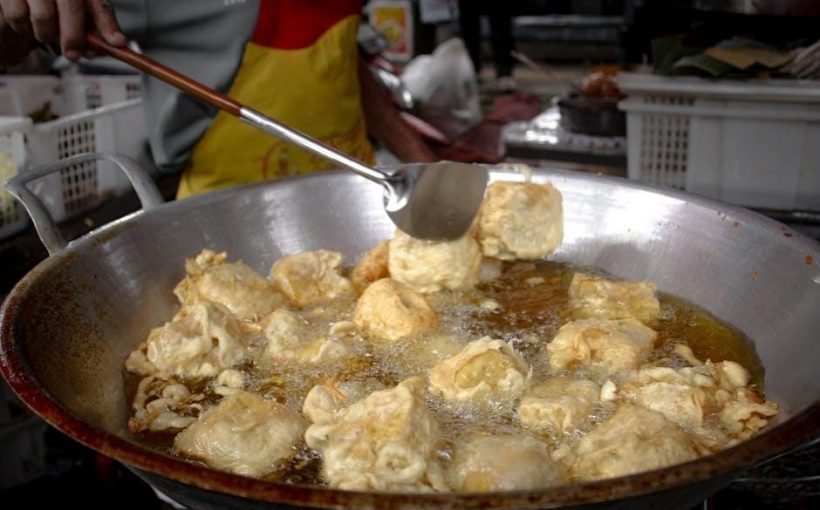
Butterball XL Turkey Fryer Instruction Manual: A Comprehensive Guide
Navigating the joys and potential anxieties of turkey frying, this manual offers guidance for both novice and seasoned cooks, addressing common concerns like thawing timelines.
Welcome to the exciting world of deep-fried turkey! The Butterball XL Turkey Fryer offers a remarkably fast and flavorful alternative to traditional roasting methods, delivering incredibly moist and juicy results with beautifully crispy skin. This guide is designed to equip you with all the knowledge necessary for a safe, successful, and delicious turkey frying experience.
Whether you’re a first-time fryer or a seasoned pro, understanding the process is key. Many home cooks face last-minute worries – “I forgot to thaw the turkey!” or “What do I do now?” – and this manual proactively addresses these common concerns. We’ll walk you through each step, from preparation and safety precautions to frying, carving, and cleanup.
The Butterball XL is engineered for convenience and efficiency, but responsible operation is paramount. This manual emphasizes safety throughout, ensuring a worry-free and enjoyable cooking experience for you and your guests. Get ready to elevate your holiday meals with a perfectly fried turkey!
Safety Precautions: A Critical Overview
Deep-frying a turkey involves hot oil and requires strict adherence to safety guidelines. Prioritize safety above all else to prevent burns, fires, and other potential hazards. Never operate the fryer indoors or in an enclosed space – always fry outdoors, well away from buildings, decks, and flammable materials.
Ensure the turkey is completely thawed and dry before frying; ice crystals cause dangerous oil splatter. Wear appropriate safety gear, including long sleeves, heavy gloves, and eye protection. Never leave the fryer unattended while in use. Keep children and pets a safe distance away from the frying area.
Have a fire extinguisher (Class K is recommended) readily available. Be extremely cautious when lowering the turkey into the hot oil, and monitor the oil temperature constantly. Improper handling can lead to severe burns or a runaway fire. Remember, safety is non-negotiable!
Understanding Your Butterball XL Fryer Components
The Butterball XL Turkey Fryer consists of several key components working in unison. Familiarize yourself with each part before operation. The fryer pot, constructed from heavy-gauge steel, holds the oil and turkey. The stand provides a stable base for the pot, ensuring safe operation.
The thermometer accurately monitors oil temperature, crucial for safe and effective frying. The lifting hook facilitates the careful lowering and raising of the turkey. A regulator valve controls the burner’s gas flow, adjusting heat output. Inspect all components for damage before each use.
Understand the function of the drain valve for safe oil disposal. The XL model often includes features like a larger pot capacity and a more powerful burner. Refer to the included diagrams for a visual guide to each component’s location and purpose;
Setting Up the Fryer: Step-by-Step Instructions
Begin by assembling the fryer stand on a level, non-combustible surface. Carefully place the empty fryer pot onto the stand, ensuring it’s secure. Connect the propane tank to the regulator valve, tightening firmly but not excessively. Always check for gas leaks using a soapy water solution – bubbles indicate a leak.
Attach the thermometer to the side of the pot, ensuring the sensor is submerged in the oil later. Before adding oil, perform a “dry run” with the turkey to determine the correct oil level (detailed in a separate section). Once the oil level is established, carefully pour in the appropriate amount of peanut or canola oil.
Double-check all connections and ensure the lifting hook is securely attached. Familiarize yourself with the burner controls before proceeding.
Choosing the Right Location for Frying
Selecting a safe location is paramount when using a turkey fryer. Position the fryer well away from the house, garage, deck, or any flammable structures – a minimum of 10 feet is recommended. Ensure the surface is level and non-combustible, such as concrete or dirt; avoid grass, wooden decks, or gravel.
Never operate the fryer indoors or in an enclosed space like a garage, even with the door open, due to the risk of carbon monoxide poisoning. Avoid windy conditions, as they can destabilize the fryer and spread hot oil. Keep children and pets a safe distance away from the frying area at all times.
Ensure adequate ventilation and have a fire extinguisher (Class K is best) readily accessible.
Preparing the Turkey for Frying
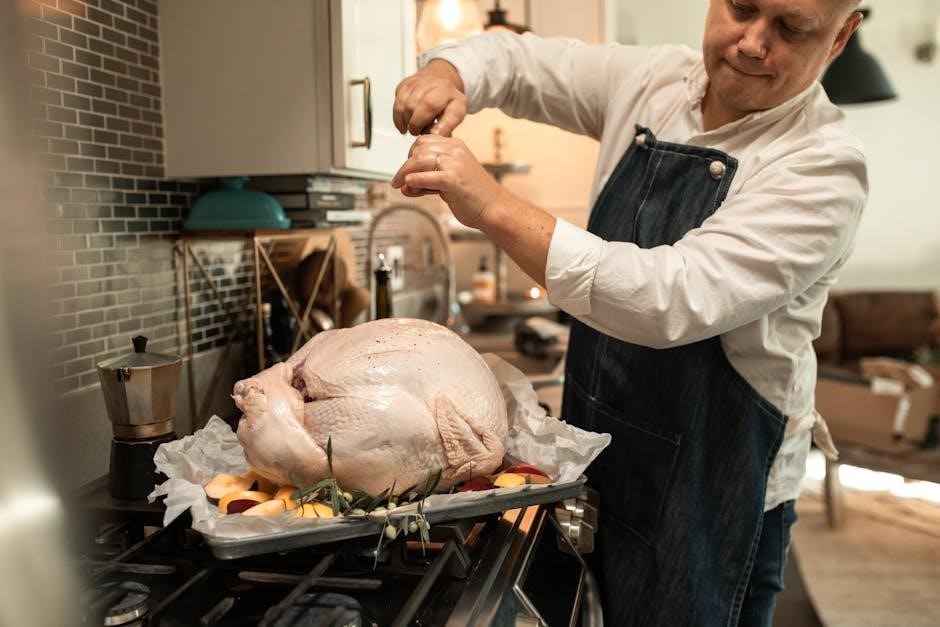
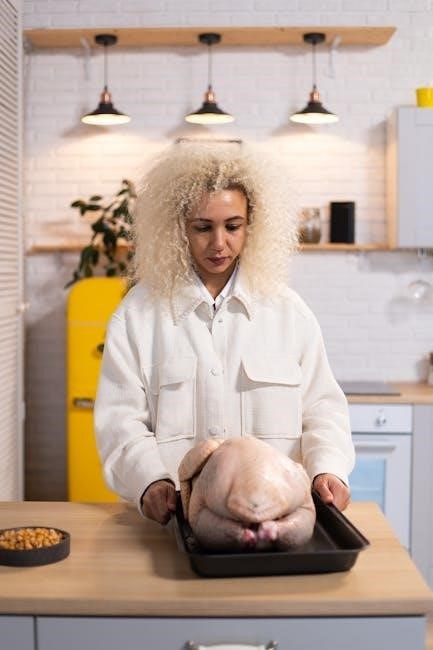
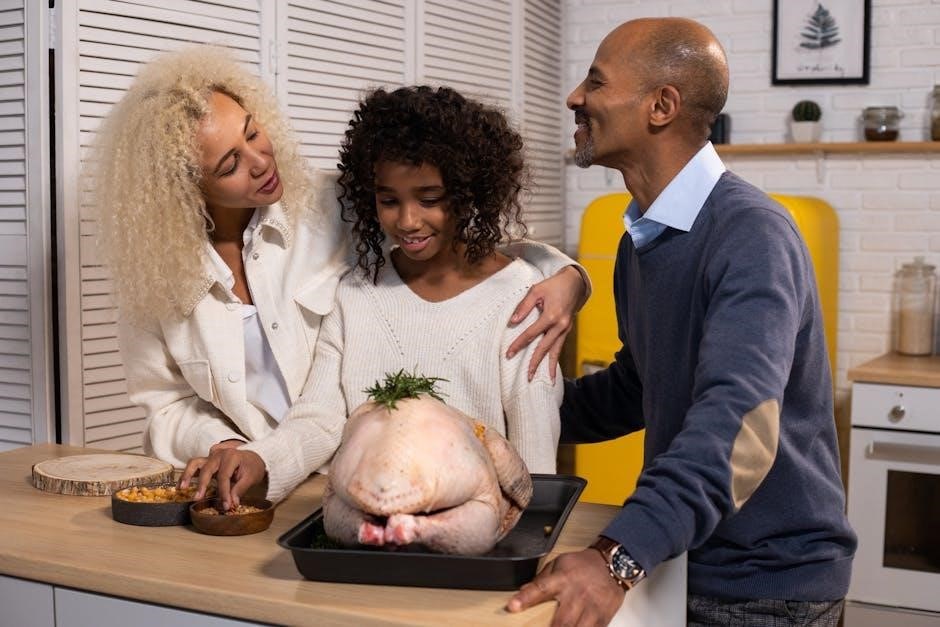
Proper turkey preparation is crucial for a safe and delicious fried turkey. Begin by completely thawing the turkey – a critical step to prevent dangerous oil splattering. Remove the neck and giblets from both the cavity and the packaging. Pat the turkey completely dry, inside and out, with paper towels; moisture is a significant safety hazard.
Consider brining the turkey beforehand to enhance flavor and moisture retention. Ensure the turkey is fully thawed before brining. Do not stuff the turkey, as this prevents even cooking and increases the risk of bacterial growth. Remove any ice crystals that may have formed during thawing.
A dry turkey equals a safer frying experience, minimizing oil eruptions.
Thawing the Turkey: Methods and Timelines
Complete thawing is paramount for safe turkey frying. The refrigerator method is the safest, requiring approximately 24 hours for every 4-5 pounds of turkey. Ensure the turkey remains in its original packaging and is placed on a tray to catch any drips. A cold-water thaw is faster, needing about 30 minutes per pound, but requires frequent water changes (every 30 minutes) to maintain a safe temperature.
Never thaw a turkey at room temperature, as this encourages bacterial growth. For a very large turkey, allow ample time – it’s better to overestimate than underestimate. Confirm the turkey is fully thawed by checking the internal temperature in several places; it should be 40°F (4°C) or below.
Brining the Turkey: Enhancing Flavor and Moisture
Brining significantly improves the flavor and moisture content of your fried turkey. A basic brine consists of water, salt, and sugar, but you can enhance it with herbs, spices, and citrus fruits. Submerge the fully thawed turkey in the brine, ensuring it’s completely covered. Refrigerate for 12-24 hours, depending on the turkey’s size; longer brining times can result in overly salty meat.
Using a food-grade container large enough to accommodate the turkey and brine is crucial. After brining, thoroughly rinse the turkey inside and out with cold water to remove excess salt. Pat it completely dry before frying – this is essential for safety and achieving crispy skin.
Drying the Turkey: Essential for Safety
Thoroughly drying the turkey is arguably the most critical safety step in the frying process. Any water remaining on the turkey will instantly vaporize upon contact with the hot oil, causing dangerous splattering and potentially a dangerous flare-up. After rinsing post-brining, use paper towels to meticulously pat down the entire surface, inside and out.
Allow the turkey to air dry in the refrigerator for several hours, or even overnight, for optimal results. A completely dry skin also contributes to a crispier, more flavorful finished product. Don’t skip this step – it’s a non-negotiable precaution to prevent hazardous situations during frying. Prioritize safety above all else!
Calculating Oil Volume: Avoiding Overflow
Determining the correct amount of oil is paramount to a safe and successful turkey fry. Overflowing oil poses a significant fire hazard, while insufficient oil will result in an undercooked turkey. The Butterball XL fryer requires precise calculations based on your turkey’s weight and the fryer’s pot size.
Place the turkey in the empty fryer pot and fill it with water until the turkey is fully submerged. Remove the turkey, and mark the water level – this indicates the maximum safe oil fill line. Remember to completely dry the pot before adding oil! Always err on the side of caution; it’s better to slightly underestimate than to risk an overflow. Accurate measurement is key to a worry-free frying experience.
Heating the Oil to the Correct Temperature
Achieving and maintaining the optimal oil temperature is crucial for perfectly cooked, crispy turkey. The ideal frying temperature for a Butterball XL fryer is 350°F (177°C). Begin heating the oil slowly and steadily, using the built-in temperature gauge as your guide. Avoid rapid heating, as this can create dangerous hot spots and potentially ignite the oil.
Monitor the temperature closely during the heating process. It will take a considerable amount of time to reach 350°F, depending on the initial oil temperature and ambient conditions; Once the oil reaches the target temperature, allow it to stabilize for several minutes before carefully lowering the turkey into the pot. Consistent temperature monitoring throughout the frying process is essential.
Lowering the Turkey into the Hot Oil
This step demands extreme caution due to the potential for severe burns from hot oil splatter. Ensure the turkey is completely thawed and thoroughly dried before beginning. Slowly and steadily lower the turkey into the hot oil using the provided lifting hook. Maintain a controlled descent to minimize oil displacement and prevent boil-overs.
Never drop the turkey into the oil, as this will create a dangerous and potentially explosive situation. Wear long sleeves, gloves, and eye protection throughout this process. Once the turkey is fully submerged, immediately reduce the burner heat to maintain a consistent oil temperature of 350°F. Monitor closely for any signs of excessive bubbling or splattering.
Frying Time: Determining Doneness
Calculating accurate frying time is crucial for a safely cooked and delicious turkey. A general rule of thumb is 3-4 minutes per pound, but this can vary based on oil temperature and turkey size. Begin checking the internal temperature after the minimum calculated time using a reliable meat thermometer.
Insert the thermometer into the thickest part of the thigh, avoiding the bone. The turkey is considered done when the internal temperature reaches 165°F (74°C); It’s vital to verify the temperature in multiple locations to ensure even cooking. Do not rely solely on visual cues; always confirm doneness with a thermometer for food safety.
Monitoring Oil Temperature During Frying
Maintaining a consistent oil temperature between 325°F and 350°F (163°C ― 177°C) is paramount for safe and effective frying. Utilize the thermometer included with your Butterball XL fryer to continuously monitor the oil’s heat. Fluctuations are normal as the turkey enters the oil, but quickly recover the temperature.
Avoid letting the temperature drop below 325°F, as this can result in a greasy turkey. Conversely, exceeding 350°F increases the risk of oil splattering and potential fire hazards. Adjust the burner accordingly to maintain the optimal range. Frequent monitoring – every few minutes – is highly recommended throughout the entire frying process for consistent results.
Removing the Turkey from the Fryer
Carefully and slowly lift the turkey from the hot oil using the provided lifting hook and sturdy heat-resistant gloves. Avoid sudden movements to prevent oil sloshing and potential burns. Position the turkey directly over the fryer pot to allow excess oil to drain back into the pot – this is crucial for safety and minimizing mess.
Once clear of the fryer, gently lower the turkey onto a large, heat-resistant surface, such as a roasting pan or heavy-duty baking sheet. Immediately check the internal temperature in the thickest part of the thigh with a meat thermometer to ensure it has reached a safe 165°F (74°C). Do not attempt to carve the turkey until it has cooled sufficiently.
Safe Lifting Techniques
Employing proper lifting techniques is paramount when removing the turkey from the hot oil. Always utilize the designated lifting hook provided with your Butterball XL fryer; never attempt to lift the turkey with tongs or other improvised tools. Ensure the hook is securely fastened to the turkey’s legs or designated lifting points before beginning the lifting process.
Wear long, heat-resistant gloves and eye protection to shield yourself from potential splatters. Lift slowly and steadily, avoiding any jerky motions that could cause oil to spill. Maintain a firm grip on the lifting hook and position your body to maintain balance. Never lean directly over the hot oil while lifting. Prioritize a controlled descent to the prepared resting surface.
Checking for Internal Temperature
Confirming the turkey has reached a safe internal temperature is crucial for food safety and optimal flavor. Utilize a reliable meat thermometer, inserting it into the thickest part of the thigh, avoiding the bone. The USDA recommends a minimum internal temperature of 165°F (74°C) to ensure the turkey is fully cooked.
Check the temperature in multiple locations – both the thigh and the breast – to guarantee even cooking. If the temperature hasn’t reached 165°F, continue frying for additional increments of time, rechecking the temperature after each interval. Do not rely solely on cooking time; temperature is the definitive indicator of doneness. A properly cooked turkey will be juicy, flavorful, and safe to consume.
Cooling and Carving the Fried Turkey
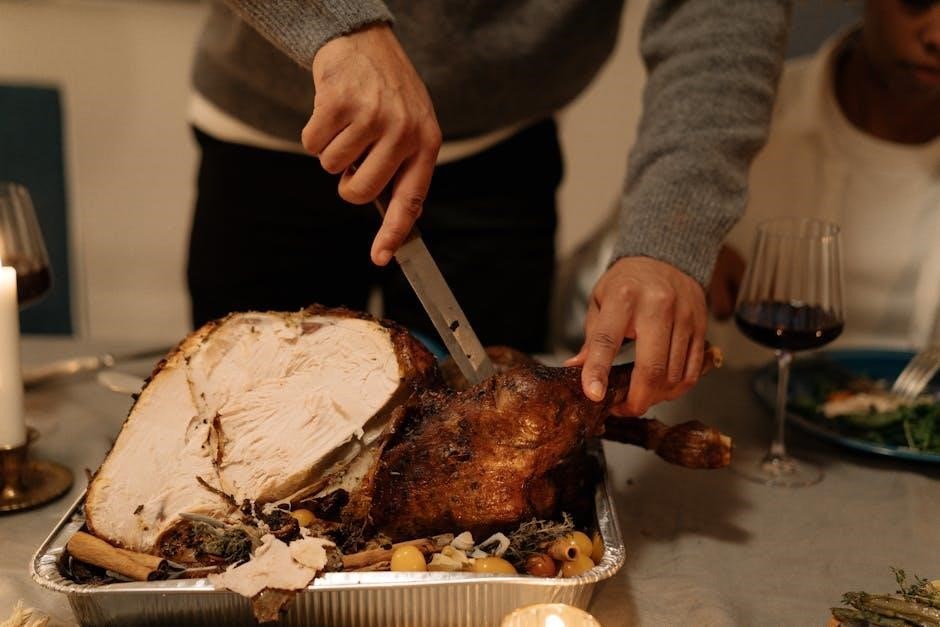
Allowing the fried turkey to rest is essential before carving, ensuring juiciness and easier slicing. Carefully remove the turkey from the fryer and place it on a large cutting board. Tent loosely with aluminum foil and let it rest for at least 20-30 minutes. This allows the juices to redistribute throughout the meat.
When ready to carve, use a sharp carving knife. Begin by separating the legs and thighs, then slice the breast meat against the grain. Remember to exercise caution as the turkey will still be quite warm. Enjoy the fruits of your labor – a perfectly fried, flavorful turkey ready to be savored with family and friends!
Cleaning and Maintaining Your Butterball XL Fryer
Proper cleaning and maintenance are crucial for the longevity and safe operation of your Butterball XL Fryer. Always allow the fryer and oil to cool completely before attempting any cleaning. Carefully drain the used oil, ensuring it’s disposed of responsibly (see Oil Disposal section).
Wash the pot, basket, and other removable parts with warm, soapy water. Avoid abrasive cleaners that could damage the surfaces. Inspect the burner assembly for any clogs or debris and clean as needed. Store the fryer in a dry, sheltered location. Regular maintenance ensures optimal performance and prevents potential hazards, guaranteeing many successful turkey fries to come!
Troubleshooting Common Frying Issues
Encountering issues during turkey frying is not uncommon; here’s how to address them. Oil splattering can be minimized by ensuring the turkey is thoroughly dried before lowering it into the hot oil and maintaining the correct oil temperature. If the fryer isn’t heating properly, check the propane tank connection and ensure the burner is clean and unobstructed.
Low temperature could also indicate insufficient propane. Never leave a malfunctioning fryer unattended. If problems persist, consult the warranty information for customer support. Prioritizing safety and addressing issues promptly will ensure a delicious and worry-free fried turkey experience. Remember to always follow safety precautions!
Oil Splattering and Prevention
Oil splattering is a common concern when deep-frying a turkey, but it can be significantly reduced with proper preparation and technique. The primary cause of splattering is moisture. Ensure the turkey is completely thawed and, crucially, thoroughly dried – both inside and out – with paper towels before frying. Even small amounts of water will cause vigorous bubbling and potential hazards.
Maintaining the correct oil temperature is also vital; overheating increases splattering. Slowly and carefully lower the turkey into the hot oil to minimize initial disturbance. Avoid overcrowding the pot. If splattering occurs, do not panic; carefully monitor the situation and adjust the heat if necessary. Safety glasses and long sleeves are recommended for added protection.
Fryer Not Heating Properly
If your Butterball XL fryer isn’t reaching the desired temperature, several factors could be at play. First, verify the power source is functioning correctly and the fryer is securely plugged in. Check the burner assembly for any obstructions, such as debris or insect nests, that might impede gas flow. Ensure the propane tank is full and the valve is fully open.
A faulty igniter is another common culprit; try relighting the burner multiple times. If it still fails, the igniter may need replacement. Low propane pressure can also cause insufficient heating. Finally, consider ambient temperature; colder weather can extend heating times. If issues persist, consult the troubleshooting section of the manual or contact customer support.
Oil Disposal: Environmentally Responsible Practices
Used frying oil presents environmental challenges and requires careful disposal. Never pour oil down the drain, as it can clog pipes and contaminate water systems. Allow the oil to cool completely before handling. Once cooled, strain the oil through cheesecloth or a fine-mesh sieve to remove food particles.
Store the strained oil in a sealed, leak-proof container, such as the original oil jug or a sturdy plastic container. Contact your local waste management services to inquire about oil recycling programs or designated drop-off locations. Some communities offer curbside pickup for used cooking oil. Alternatively, solidify the oil with an absorbent material like kitty litter or sawdust, then dispose of it with your regular trash, following local regulations.
Recipes and Marinades for Fried Turkey
Elevate your fried turkey beyond the basic with flavorful marinades and rubs! A simple marinade of butter, herbs (rosemary, thyme, sage), garlic, and lemon juice infuses the turkey with aromatic goodness. For a spicier kick, incorporate cayenne pepper, paprika, and a touch of brown sugar. Dry rubs, consisting of similar spices, create a crispy, flavorful skin.
Consider a Creole marinade with Cajun seasoning, Worcestershire sauce, and hot sauce for a taste of Louisiana. Experiment with citrus-based marinades using orange or grapefruit juice for a bright, tangy flavor. Remember to pat the turkey dry after marinating to ensure optimal oil contact and crispy results. These recipes enhance the already delicious experience of a perfectly fried turkey!
Warranty Information and Customer Support
Your Butterball XL Turkey Fryer is covered by a one-year limited warranty against defects in materials and workmanship from the date of purchase. This warranty does not cover damage resulting from misuse, accidents, or unauthorized modifications. Please retain your proof of purchase for warranty claims.
For customer support, visit our website at [insert website address here] for FAQs, troubleshooting guides, and instructional videos. You can also contact our dedicated customer service team via phone at [insert phone number here] during business hours (Monday-Friday, 9 AM ⏤ 5 PM EST). We are committed to ensuring your satisfaction with your Butterball XL Fryer and providing prompt assistance with any questions or concerns you may have.
Resources and Further Reading
Expand your turkey frying expertise with these valuable resources! The Butterball website ([insert website address here]) offers a wealth of information, including additional recipes, safety tips, and detailed guides on various frying techniques. Explore online forums and communities dedicated to outdoor cooking and turkey frying to connect with fellow enthusiasts and share experiences.
For in-depth knowledge of food safety, refer to the USDA’s guidelines on poultry preparation and cooking temperatures ([insert USDA website link here]). Consider consulting cookbooks specializing in Southern cuisine or outdoor cooking for innovative marinades and seasoning blends. Remember, continuous learning and adherence to safety protocols are key to a successful and enjoyable turkey frying experience.