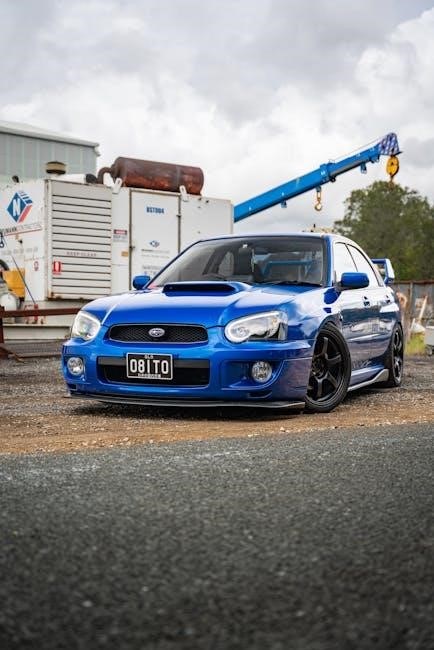
Subaru Warning Light Guide: A Comprehensive Overview
Navigating Subaru’s dashboard symbols is crucial for vehicle health; this guide details each light’s meaning, from simple reminders to critical system failures, ensuring informed driving.
Subaru vehicles, renowned for their reliability and symmetrical all-wheel drive, employ a sophisticated system of warning lights to keep drivers informed about the car’s operational status. These lights aren’t merely indicators; they’re vital communication tools, alerting you to potential issues ranging from minor inconveniences – like low washer fluid – to serious mechanical problems demanding immediate attention.
Understanding these dashboard symbols is paramount for responsible vehicle ownership. Ignoring a warning light could lead to more extensive and costly repairs down the road, or even compromise your safety. This guide aims to demystify the often-confusing world of Subaru warning lights, providing clear explanations and guidance on appropriate actions. We’ll explore the different types of lights and their significance, empowering you to proactively maintain your Subaru and enjoy a safe driving experience.

Understanding the Different Levels of Warning Lights
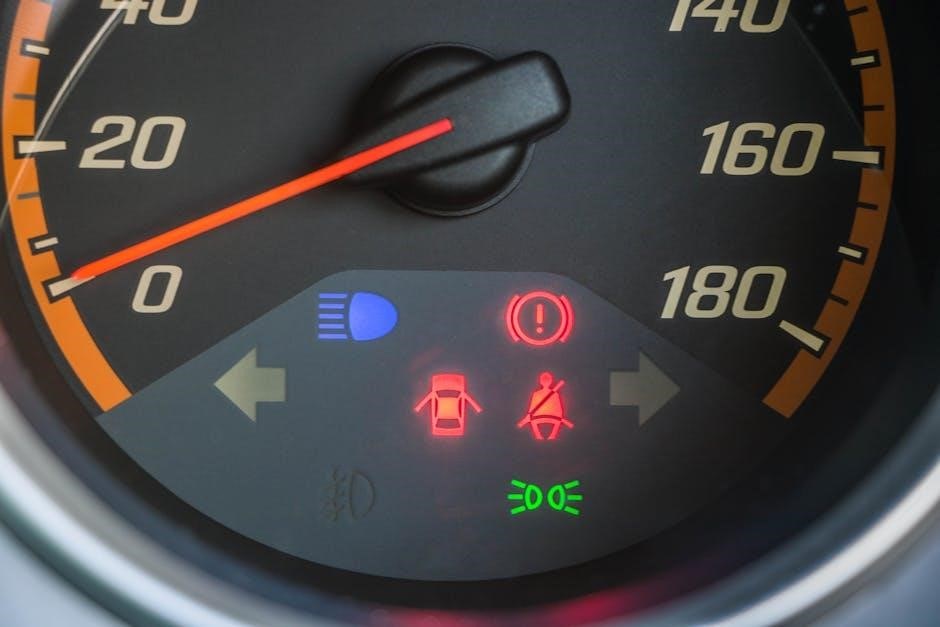
Subaru warning lights aren’t all created equal; they communicate urgency through color. Critical warning lights, displayed in red, signify immediate danger – like low oil pressure or brake system failure – requiring you to stop driving and address the issue promptly. Yellow or amber lights indicate a potential problem that needs attention, but doesn’t necessarily demand immediate stopping; however, scheduling a service appointment is crucial.
Informational lights, typically green or blue, don’t signal a malfunction. Instead, they confirm that a system is engaged (cruise control) or functioning normally (high beams). Recognizing these distinctions is key to appropriate response. Prioritizing red lights, investigating yellow lights, and simply acknowledging informational lights ensures you react correctly to maintain vehicle safety and prevent further damage.
Critical Warning Lights (Red)
Red warning lights on your Subaru’s dashboard demand immediate attention, signaling severe issues requiring prompt action. A red brake warning light could indicate a parking brake engagement or a critical system malfunction, potentially compromising stopping ability. Similarly, a red oil pressure light signifies dangerously low oil levels, risking catastrophic engine damage – stop driving immediately!
The red coolant temperature warning light warns of overheating, which can lead to engine failure. Ignoring these critical signals can result in costly repairs and potentially leave you stranded. Always consult your Subaru’s owner’s manual for specific guidance and prioritize safe vehicle operation when encountering any red warning light.
Warning Lights (Yellow/Amber)
Yellow or amber warning lights on your Subaru indicate potential problems that require investigation, though they aren’t typically as immediately critical as red lights. The Check Engine Light (CEL) is a common amber indicator, signaling a wide range of engine-related issues – from a loose gas cap to more serious malfunctions.
An AT Oil Temperature Warning Light (Subaru specific) suggests the automatic transmission fluid is overheating, potentially leading to transmission damage. Other amber lights might relate to the vehicle’s stability control system or other components. While you can often continue driving with amber lights, scheduling a diagnostic check is crucial to prevent escalation into more severe, costly repairs.
Informational Lights (Green/Blue)

Green and blue informational lights on a Subaru dashboard don’t signal a problem, but rather indicate that a system is actively engaged or functioning normally. For example, the cruise control indicator illuminates in green when the system is activated, maintaining a set speed. Similarly, a blue light often signifies the high beam headlights are in use, enhancing visibility during nighttime driving.
Washer fluid warning lights, though sometimes appearing as amber, often serve as informational reminders to replenish the fluid for optimal windshield cleaning. These lights are designed to keep the driver informed about the status of various vehicle functions, promoting safe and convenient operation without causing immediate alarm.
Engine Warning Lights
Engine warning lights are critical indicators of potential issues affecting your Subaru’s performance and longevity. The Check Engine Light (CEL), perhaps the most common, can signal a wide range of problems, from a loose gas cap to serious engine malfunctions, requiring diagnostic scanning. A lit Oil Pressure Warning Light demands immediate attention; continuing to drive could cause severe engine damage due to insufficient lubrication.
The Coolant Temperature Warning Light indicates overheating, potentially leading to engine failure. Addressing this promptly—by safely pulling over and allowing the engine to cool—is vital. Ignoring these engine warnings can result in costly repairs and compromise your vehicle’s reliability.
Check Engine Light (CEL) – Common Causes
The Check Engine Light (CEL) illuminates for numerous reasons, ranging from minor to severe. A frequently overlooked cause is a loose or faulty gas cap, easily remedied by tightening or replacing it. However, the CEL can also indicate issues with the oxygen sensor, catalytic converter, or mass airflow sensor, all impacting emissions and fuel efficiency.
More serious causes include ignition coil problems, spark plug failures, or even internal engine malfunctions. Utilizing an OBD-II scanner is crucial for retrieving the specific diagnostic trouble code (DTC) to pinpoint the exact issue, guiding repair efforts and preventing further damage.
Oil Pressure Warning Light – What to Do

The Oil Pressure Warning Light demands immediate attention; ignoring it can lead to catastrophic engine damage. If illuminated, safely pull over as soon as possible and shut off the engine. Do not restart it! Low oil pressure signifies insufficient lubrication, causing friction and overheating.
Check the oil level using the dipstick – low levels are a common culprit. If the level is adequate, the issue may be a failing oil pump or a blocked oil pickup tube. Professional diagnosis and repair are essential; driving with low oil pressure will quickly destroy your Subaru’s engine.
Coolant Temperature Warning Light – Preventing Overheating
The Coolant Temperature Warning Light indicates your engine is overheating, a serious issue requiring immediate action. If it illuminates, safely pull over and turn off the engine to prevent further damage. Allow the engine to cool completely before attempting to check the coolant level – opening a hot system is dangerous!
Potential causes include a leaking radiator, a faulty thermostat, or a failing water pump. Regularly check coolant levels and inspect for leaks. Maintaining proper coolant concentration is vital. Ignoring this warning can lead to a blown head gasket or even a cracked engine block, necessitating costly repairs.
Transmission Warning Lights
Transmission warning lights signal potential issues within your Subaru’s gearbox, demanding prompt attention. These lights can indicate a range of problems, from minor fluid temperature concerns to severe mechanical failures. A flashing AT Oil Temperature Warning Light, specific to Subaru, often suggests the transmission is overheating, potentially due to strenuous driving or low fluid levels.
A general Transmission Warning Light could point to internal component malfunctions, sensor errors, or issues with the transmission control module. Ignoring these warnings can lead to complete transmission failure and expensive replacements. Regular transmission fluid checks and timely servicing are crucial for preventative maintenance.
AT Oil Temperature Warning Light – Subaru Specific
Subaru’s AT Oil Temperature Warning Light is a unique indicator, frequently appearing as a flashing symbol. This signifies the automatic transmission fluid is excessively hot, potentially causing damage to internal components. Common causes include aggressive driving – like towing uphill – or operating in extremely hot weather conditions.
A flashing light doesn’t always mean immediate catastrophic failure, but it requires immediate attention. Reduce speed, avoid heavy loads, and allow the transmission to cool down. Checking the fluid level is vital, though it’s best left to a professional. Continued driving with a flashing light can lead to costly repairs or complete transmission replacement.
Transmission Warning Light – Potential Issues
A solid Transmission Warning Light on your Subaru dashboard indicates a broader range of potential problems than just fluid temperature. Issues can stem from internal mechanical failures within the transmission itself, such as worn clutches or damaged gears. However, it frequently points to electronic control system malfunctions, impacting shift quality and overall performance.
Diagnostic trouble codes (DTCs) are crucial for pinpointing the exact cause. These codes, accessible via an OBD-II scanner, reveal specific sensor failures or communication errors. Ignoring this light can lead to worsening damage and expensive repairs. Professional diagnosis and repair are strongly recommended to prevent further complications and ensure safe operation.
Braking System Warning Lights
Subaru’s braking system utilizes several warning lights to alert drivers to potential issues. The most common is the Brake Warning Light, which illuminates for two primary reasons: the parking brake is engaged, or a malfunction exists within the hydraulic braking system. If the light remains on after releasing the parking brake, it signals low brake fluid, a leak, or a more serious component failure.
Additionally, the ABS Warning Light indicates problems with the Anti-lock Braking System. This doesn’t necessarily mean your brakes won’t function, but the ABS assistance will be unavailable. Immediate inspection is vital for both lights, as compromised braking performance significantly impacts safety.
Brake Warning Light – Parking Brake & System Malfunction
The Brake Warning Light on your Subaru dashboard serves a dual purpose. Initially, it simply indicates the parking brake is engaged; releasing it should extinguish the light. However, if the light persists after disengaging the parking brake, it signifies a potential problem within the hydraulic brake system.
This could range from low brake fluid levels – often due to a leak – to a more serious malfunction in brake lines, calipers, or the master cylinder. Ignoring a continuously illuminated brake warning light is dangerous, as it compromises your vehicle’s stopping ability. Immediate professional inspection is crucial to diagnose and rectify the issue promptly.
ABS Warning Light – Anti-lock Braking System Issues
The ABS (Anti-lock Braking System) warning light indicates a problem within your Subaru’s ABS. This system prevents wheel lockup during braking, enhancing steering control, especially on slippery surfaces. When illuminated, it doesn’t necessarily mean your brakes won’t function, but the ABS assistance is disabled.
Potential causes include faulty wheel speed sensors, a malfunctioning ABS control module, or issues with the hydraulic pump. While you can still brake normally, your stopping distance may increase, and you’ll lose the benefits of ABS. A diagnostic scan is essential to pinpoint the exact cause, as ignoring this light can compromise safety. Professional repair is recommended to restore full ABS functionality.
Safety System Warning Lights
Subaru prioritizes safety, and several warning lights alert drivers to potential issues within these critical systems. These lights demand immediate attention, as they relate directly to occupant protection and vehicle stability. Key indicators include the airbag warning light, signaling a problem with the airbag deployment system, requiring a diagnostic check to ensure proper function in a collision.
The Vehicle Dynamics Control (VDC) light illuminates when the stability control system detects a loss of traction or senses a potential skid. It also appears during normal system operation when activated. Addressing these warnings promptly ensures the continued effectiveness of your Subaru’s safety features, safeguarding you and your passengers;
Airbag Warning Light – System Diagnostics
A continuously illuminated airbag warning light indicates a malfunction within the Supplemental Restraint System (SRS). This doesn’t necessarily mean the airbags won’t deploy, but it signifies a potential issue requiring immediate professional attention. Common causes include a faulty airbag sensor, a damaged wiring harness, or a problem with the airbag control module itself.
Ignoring this warning is risky, as it compromises the safety system’s reliability during a collision. A diagnostic scan using an OBD-II scanner can retrieve specific trouble codes pinpointing the source of the problem. Professional diagnosis and repair are essential; attempting self-repair of the SRS is strongly discouraged due to its complexity and potential hazards.
Vehicle Dynamics Control (VDC) Light – Stability Control System
The Vehicle Dynamics Control (VDC) light, often depicted as a car with curved lines, signals an issue with Subaru’s stability control system. A flashing VDC light typically indicates the system is actively engaged, working to prevent a skid. However, a solid, continuously lit VDC light suggests a malfunction within the system itself.
Potential causes include a faulty wheel speed sensor, a problem with the VDC control module, or low brake fluid. Reduced traction and handling can occur when the VDC is disabled. Diagnostic scanning is crucial to identify the specific fault code. Addressing this promptly ensures optimal vehicle stability and safety, especially in adverse driving conditions.
Other Important Warning Lights
Beyond critical and warning lights, several informational indicators contribute to a smooth Subaru driving experience. The low fuel warning light, unsurprisingly, alerts you to dwindling petrol reserves – avoid running completely empty to prevent fuel pump damage. Equally important is the washer fluid warning, ensuring visibility isn’t compromised by a dirty windshield.
Other lights signal engaged systems like cruise control or seatbelt reminders. Service reminders indicate scheduled maintenance needs. Ignoring these seemingly minor lights can lead to inconvenience or, in the case of low fluids, potential safety hazards. Regularly checking these indicators promotes proactive vehicle care and extends its lifespan.
Low Fuel Warning Light – Avoiding Running Out of Gas
The Subaru low fuel warning light illuminates when your petrol level reaches a critical point, typically allowing for around 30-50 miles of remaining driving range. While modern fuel pumps are more resilient, consistently running your tank extremely low can cause the pump to overheat due to its reliance on fuel for cooling.
Sediment accumulation at the bottom of the tank can also be drawn into the fuel system, potentially clogging filters and damaging injectors. It’s best practice to refuel as soon as possible when the light appears, preventing potential costly repairs and ensuring uninterrupted journeys. Prioritize refueling before reaching this point for optimal vehicle health.
Washer Fluid Warning Light – Maintaining Visibility
The washer fluid warning light signals a low level of windshield washer fluid, a critical component for maintaining clear visibility, especially during inclement weather or when dealing with road grime. Ignoring this light can severely impair your ability to safely clear the windshield, impacting driving conditions.
Regularly checking and topping up your washer fluid is a simple preventative measure. Use a quality windshield washer fluid formulated for your climate, including de-icing agents in colder regions. Ensuring sufficient fluid allows for quick and effective cleaning, enhancing safety and preventing obscured vision. Don’t compromise on clear sightlines!
Using an OBD-II Scanner for Subaru Diagnostics
An OBD-II scanner is an invaluable tool for Subaru owners seeking to diagnose warning light issues. These scanners connect to your vehicle’s diagnostic port, allowing you to read trouble codes stored by the car’s computer. These codes pinpoint the source of the problem, offering a starting point for repairs.
While a scanner won’t always provide a definitive fix, it narrows down possibilities, saving time and potentially expensive mechanic visits. Many affordable scanners are available, and some even offer code definitions and potential solutions. Remember, clearing codes without addressing the underlying issue is only a temporary fix; the light will likely return.
Resources for Further Information (PDF Guides & Online Tools)
Numerous resources exist to deepen your understanding of Subaru warning lights. Official Subaru owner’s manuals are a primary source, detailing specific symbols for your model year. Several downloadable PDF guides, like “Subaru Warning Lights and Meaning” (17 pages), offer comprehensive explanations and visual aids.
Online forums and Subaru-specific websites provide valuable community insights, with owners sharing experiences and troubleshooting tips. Websites reveal dashboard symbols, and diagnostic programs with error code reading are available. Remember to verify information from unofficial sources and prioritize safety when performing any self-diagnosis or repairs.